
A Perfect 10-Day Japan Itinerary for First-Time Visitors: Tokyo, Kyoto, and Osaka
Planning your first trip to the Land of the Rising Sun feels like stepping into a dream. This vibrant nation offers a unique blend of neon-lit skyscrapers and quiet, ancient temples that capture every traveler’s heart.
Our curated 10 day japan itinerary provides a clear roadmap to help you navigate this beautiful country with confidence. We focus on balancing high-energy urban centers with the serene, traditional landscapes that define the local culture.

When you explore japan in 10 days, you gain the perfect introduction to the major highlights. This guide ensures you feel prepared for your adventure, allowing you to focus on creating unforgettable memories rather than worrying about logistics.
Key Takeaways
- Experience the perfect balance of modern city life and historic tradition.
- Navigate Tokyo, Kyoto, and Osaka with a structured, stress-free plan.
- Discover essential tips for first-time visitors traveling abroad.
- Maximize your limited time by focusing on top-rated cultural landmarks.
- Gain the confidence needed to handle international travel logistics smoothly.
Essential Pre-Trip Planning and Logistics
Organizing your logistics is the secret to unlocking a stress-free adventure across Japan. By handling the technical details early, you can focus entirely on the incredible experiences that await you. This comprehensive japan travel guide ensures you have the foundation needed for a seamless journey.
Booking Flights and Choosing the Best Time to Visit
Timing is everything when you start your japan trip planner. The country transforms beautifully during the spring cherry blossom season and the vibrant autumn foliage months.
Booking your flights at least three to four months in advance often secures the best rates. Flexibility with your travel dates can also lead to significant savings on international airfare.
Understanding the Japan Rail Pass and Regional Alternatives
The Japan Rail Pass remains a popular choice for travelers planning to visit multiple cities. It offers unlimited travel on most JR trains, including the famous Shinkansen bullet trains.
However, you should calculate your total travel costs before purchasing a nationwide pass. Sometimes, regional passes or individual point-to-point tickets are more cost-effective depending on your specific route.
Connectivity: Pocket Wi-Fi and SIM Cards
Staying connected is vital for navigating complex train stations and finding local hidden gems. You can easily rent a pocket Wi-Fi device to carry with you for high-speed internet access.
Alternatively, purchasing a travel SIM card or setting up an eSIM is a convenient option for solo travelers. Having reliable data ensures your japan travel guide apps and maps are always ready when you need them.
Make sure to order your connectivity solution before you arrive at the airport. This simple step helps you avoid roaming charges and keeps your japan trip planner accessible at all times.
Days One to Three: The Electric Energy of Tokyo
Stepping into Tokyo for the first time feels like entering a vibrant, living movie set that never sleeps. This sprawling metropolis offers an endless array of experiences for every type of traveler, making it the perfect starting point for your journey. Effective tokyo sightseeing requires a mix of high-energy exploration and quiet moments of reflection.
Exploring the Neon Streets of Shinjuku and Shibuya
Start your adventure in the heart of the city’s nightlife. Shinjuku is famous for its towering skyscrapers and the dazzling neon lights that illuminate the night sky. You should visit the Metropolitan Government Building for a free panoramic view of the urban sprawl.
Next, head to Shibuya to witness the world-famous scramble crossing. It is a true spectacle of organized chaos that defines the modern tokyo sightseeing experience. Take a moment to visit the Hachiko statue nearby before diving into the endless shopping malls and hidden cafes.
Cultural Immersion in Asakusa and Ueno
Transition from the neon glow to the serene atmosphere of Asakusa. The historic Senso-ji Temple stands as a testament to Japan’s rich past and remains a must-see destination. Walking through the Nakamise-dori market, you will find traditional snacks and unique souvenirs that capture the spirit of old Tokyo.
Afterward, take a short train ride to Ueno Park. This massive green space houses several world-class museums and a beautiful pond. It provides a peaceful escape from the city’s fast pace, allowing you to recharge before your next adventure.
Modern Art and Luxury Shopping in Ginza and Roppongi
For a taste of sophistication, spend your final day in these upscale districts. Ginza is the premier destination for high-end fashion and elegant dining. Even if you are just window shopping, the architecture and refined atmosphere make it a highlight of any tokyo sightseeing itinerary.
Roppongi offers a different vibe with its focus on contemporary art and nightlife. The Mori Art Museum provides stunning views of the city skyline alongside rotating exhibits. Use the efficient subway system to move between these areas, ensuring you maximize your time in this incredible capital.
| District | Primary Vibe | Top Activity |
|---|---|---|
| Shibuya | Energetic | Scramble Crossing |
| Asakusa | Traditional | Senso-ji Temple |
| Ginza | Sophisticated | Luxury Shopping |
| Roppongi | Artistic | Mori Art Museum |
Days Four to Six: The Timeless Traditions of Kyoto
Kyoto serves as the cultural heart of the nation, offering a stark and beautiful contrast to the modern pace of Tokyo. As you arrive, you will notice the atmosphere shift toward a more deliberate and graceful way of life. Exploring the top kyoto attractions allows you to witness the preservation of ancient history in a rapidly modernizing world.
Visiting Iconic Shrines and Temples
No trip to this city is complete without visiting its most famous spiritual sites. The Golden Pavilion, known as Kinkaku-ji, offers a stunning reflection upon the surrounding pond that you simply cannot miss. You should also plan a morning hike through the thousands of vermillion gates at the Fushimi Inari Shrine.
These sites represent the architectural brilliance of past centuries. To make the most of your visit, consider these essential stops:
- Kinkaku-ji: The iconic Zen temple covered in gold leaf.
- Fushimi Inari Shrine: Famous for its endless path of torii gates.
- Kiyomizu-dera: A historic wooden temple offering panoramic views of the city.
Walking Through the Arashiyama Bamboo Grove
For a moment of pure tranquility, head to the western outskirts of the city. Walking through the Arashiyama Bamboo Grove feels like stepping into another world entirely. The towering stalks create a natural canopy that filters the sunlight in a truly magical way.
This area is one of the most photographed kyoto attractions for good reason. We recommend arriving early in the morning to enjoy the quiet rustle of the bamboo before the crowds arrive. It is a perfect spot for quiet reflection and nature photography.
Experiencing Gion and Traditional Tea Ceremonies
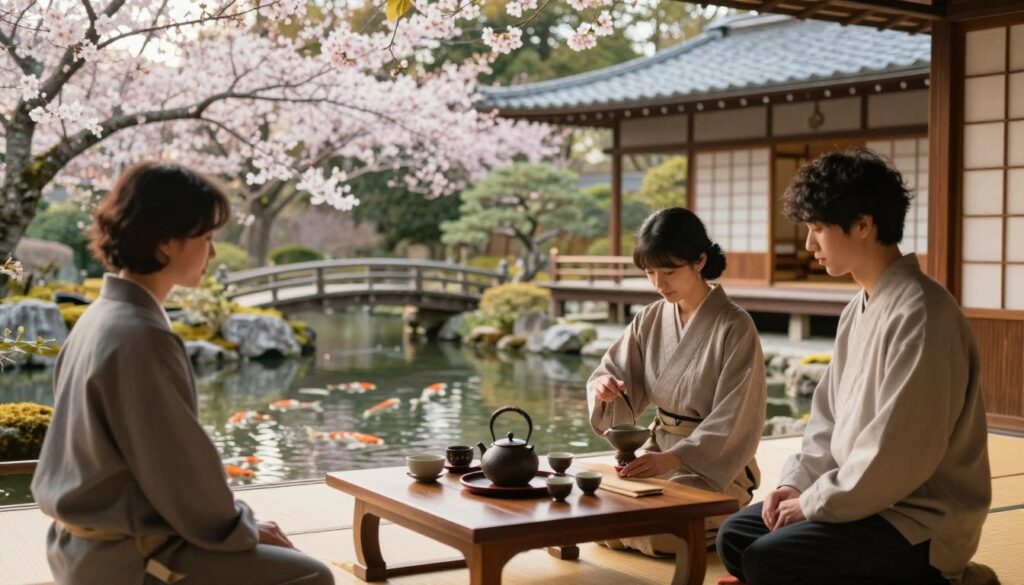
As evening falls, make your way to the historic Gion district. This area is famous for its preserved wooden machiya houses and the occasional glimpse of a geiko or maiko. Participating in an authentic tea ceremony here provides a deep look into the meticulous art of Japanese hospitality.
You will learn about the history of matcha and the precise movements required to prepare it. Engaging with these local customs helps you gain a deeper appreciation for the cultural depth found in Kyoto. It is a memorable way to conclude your time in this historic city.
Days Seven to Eight: The Culinary Heart of Osaka
Stepping into Osaka feels like entering a world where food, history, and nightlife collide in perfect harmony. Often called the nation’s kitchen, this city is a mandatory stop for any traveler. Following this osaka itinerary will help you uncover the unique, outgoing spirit of the local people while enjoying the city’s most famous landmarks.

Street Food Adventures in Dotonbori
Dotonbori is the beating heart of Osaka’s food scene. As you walk along the canal, the smell of sizzling batter fills the air. You must try the local takoyaki, which are delicious octopus-filled dough balls, and the savory okonomiyaki pancakes.
These street food delights define the local culture. Exploring these stalls is a highlight of any well-planned osaka itinerary. Make sure to arrive with an empty stomach to fully enjoy the variety of snacks available.
Historical Landmarks: Osaka Castle and Beyond
Beyond the culinary scene, Osaka boasts a rich historical past. The majestic Osaka Castle stands as a symbol of the city’s resilience and power. Its impressive stone walls and surrounding moat offer a peaceful contrast to the busy streets nearby.
Visitors can explore the museum inside the castle to learn about the unification of Japan. This landmark provides a deep look into the history that shaped the region. It is a must-see stop for anyone following a comprehensive osaka itinerary.
Nightlife and Entertainment in Namba
When the sun sets, the Namba district comes alive with neon lights and endless energy. This area is perfect for those who want to experience the vibrant nightlife of Japan. You will find countless bars, arcades, and entertainment venues tucked into every corner.
The outgoing nature of the locals makes Namba a welcoming place for international visitors. Whether you are looking for a quiet drink or a lively club, this district has something for everyone. It is the perfect way to conclude your time in this energetic city.
| Food Item | Description | Best Location |
|---|---|---|
| Takoyaki | Octopus balls | Dotonbori Stalls |
| Okonomiyaki | Savory pancake | Namba Restaurants |
| Kushikatsu | Deep-fried skewers | Shinsekai District |
Day Nine: A Day Trip to Nara or Hiroshima
Expanding your itinerary beyond the city limits allows you to discover some of the best places to visit in Japan. While Tokyo, Kyoto, and Osaka offer endless excitement, a single-day excursion provides a unique perspective on the country’s diverse landscape and history.
Meeting the Sacred Deer in Nara Park
Nara is a short, easy train ride from Kyoto or Osaka, making it a perfect choice for a relaxed day. The city is famous for Nara Park, where hundreds of wild deer roam freely among visitors. These animals are considered sacred messengers of the gods in local Shinto tradition.
You can purchase special crackers to feed the deer, which often bow to request a treat. Beyond the wildlife, the park houses the magnificent Todai-ji Temple, home to a massive bronze Buddha statue. It is a peaceful escape that feels worlds away from the bustling city streets.
Reflecting at the Hiroshima Peace Memorial Park
For those seeking a more profound historical experience, Hiroshima offers a powerful journey into the past. The Hiroshima Peace Memorial Park serves as a moving tribute to the victims of the atomic bombing. Walking through the museum and seeing the preserved A-Bomb Dome is a deeply emotional and educational experience.
Despite its somber history, the city is now a vibrant, modern hub with delicious local cuisine like okonomiyaki. It requires a longer travel time via the Shinkansen, but the impact of the visit is well worth the effort for many travelers.
Choosing the Best Day Trip for Your Interests
Deciding between these two destinations depends on your personal travel style and energy levels. If you prefer a short commute and a lighthearted, nature-focused day, Nara is the ideal pick. If you want to engage with significant world history and do not mind a longer train ride, Hiroshima is an essential stop.
| Feature | Nara | Hiroshima |
|---|---|---|
| Travel Time | Short (45-60 mins) | Long (2-3 hours) |
| Primary Vibe | Relaxed & Scenic | Reflective & Historical |
| Key Highlight | Sacred Deer | Peace Memorial |
| Best For | Families & Nature Lovers | History Enthusiasts |
Ultimately, both locations rank among the best places to visit in Japan for those looking to enrich their 10-day schedule. Whether you choose the gentle charm of Nara or the historical weight of Hiroshima, you will gain a deeper appreciation for the multifaceted beauty of the country.
Day Ten: Final Souvenirs and Departure
As your ten-day adventure draws to a close, it is time to focus on wrapping up your trip with ease and efficiency. While the end of a vacation can feel bittersweet, planning your final hours ensures you leave with wonderful memories rather than unnecessary stress. By organizing your morning, you can maximize your time before heading to the airport.

Last-Minute Shopping in Tokyo
Tokyo is a shopper’s paradise, offering everything from high-end fashion to quirky traditional crafts. If you find yourself needing a few extra gifts, focus on areas that offer a wide variety of items in one place. Department stores and specialty shops are your best friends during these final hours.
Consider these popular options for your last-minute finds:
- Don Quijote: Perfect for unique Japanese snacks, skincare products, and fun souvenirs that fit easily in your suitcase.
- Tokyo Station (Character Street): Ideal for fans of anime, manga, and iconic Japanese mascots.
- Depachika (Basement Food Halls): Located in major department stores like Isetan or Mitsukoshi, these are perfect for picking up high-quality Japanese sweets and teas.
Remember to keep your passport handy, as many stores offer tax-free shopping for tourists. This simple step can save you a significant amount of money on your final purchases.
Navigating Airport Transfers for Your Flight Home
Getting to the airport on time is the most important part of your final day. Whether you are flying out of Narita or Haneda, Japan offers highly reliable transportation options that remove the guesswork from your travel plans.
For those departing from Narita International Airport, the following services are highly recommended:
- Narita Express (N’EX): A comfortable, direct train connecting major hubs like Shinjuku and Tokyo Station to the airport.
- Keisei Skyliner: A fast and efficient choice if you are staying near Ueno or Nippori.
If your flight leaves from Haneda Airport, you have even more flexibility due to its proximity to the city center. You can easily reach the terminals via the Keikyu Line or the Tokyo Monorail. For a more relaxed experience, consider the Airport Limousine Bus, which picks up passengers from major hotels and drops them directly at the departure terminal. This is often the most stress-free method if you are traveling with heavy luggage.
Mastering the 10 Day Japan Itinerary Logistics
Efficiency is the secret ingredient to enjoying a seamless 10 day japan itinerary across multiple cities. By focusing on smart logistical choices, you can spend less time worrying about transit and more time soaking in the local culture.
Optimizing Your Daily Schedule
To make the most of your time, group your activities by neighborhood. Clustering your sightseeing prevents unnecessary travel back and forth across massive cities like Tokyo or Osaka.
Start your mornings early to beat the crowds at popular landmarks. This simple habit ensures that your 10 day japan itinerary remains productive without feeling rushed or chaotic.
Managing Luggage Forwarding Services
One of the best ways to travel comfortably is by using the Takkyubin luggage forwarding service. This service allows you to send your heavy suitcases directly from one hotel to the next for a small fee.
You can travel light on the bullet trains, carrying only a small daypack for your essentials. This convenience is a game-changer for anyone following a fast-paced 10 day japan itinerary.
Balancing Sightseeing with Downtime
It is easy to fall into the trap of over-scheduling every single hour of your trip. However, incorporating downtime is essential to avoid travel burnout and truly appreciate your surroundings.
Plan for a slow afternoon at a local park or a quiet evening in a traditional tea house. A balanced 10 day japan itinerary leaves room for spontaneity, ensuring your vacation remains a relaxing experience rather than a stressful checklist.
Cultural Etiquette and Tips for First-Timers
Understanding local customs is the key to a truly authentic japanese culture experience. When you travel through the country, small gestures of respect go a long way in building positive connections with residents. This japan travel guide provides the essential knowledge you need to navigate social situations with confidence and grace.

Dining Manners and Tipping Customs
One of the most surprising aspects for visitors is the complete absence of a tipping culture. In fact, leaving extra money can sometimes cause confusion or be seen as impolite. Excellent service is considered the standard, so simply saying “gochisosama-deshita” after a meal is the best way to show your appreciation.
When dining, remember that chopstick etiquette is important. Avoid sticking your chopsticks vertically into a bowl of rice, as this mimics funeral rites. Instead, place them on the provided rest when you are not eating.
Respecting Sacred Spaces and Local Traditions
Visiting temples and shrines is a highlight of any japan travel guide. These sites are places of worship, so maintaining a quiet and respectful demeanor is vital. Before entering a shrine, you will often find a purification fountain where you should rinse your hands to cleanse yourself symbolically.
Always look for signs regarding photography, as some inner sanctums prohibit it to preserve the sanctity of the space. By observing how locals pray—usually by bowing twice, clapping twice, and bowing once more—you can participate in the japanese culture experience with genuine respect.
Essential Japanese Phrases for Travelers
Learning a few basic phrases will help you communicate your needs and show that you value the local language. Even if your pronunciation is not perfect, locals truly appreciate the effort you make to connect.
| Japanese Phrase | English Meaning | When to Use |
|---|---|---|
| Sumimasen | Excuse me / Sorry | Getting attention or apologizing |
| Arigato gozaimasu | Thank you | Showing gratitude |
| Kore o onegaishimasu | This one, please | Ordering food or shopping |
| Eigo ga hanasemasu ka? | Do you speak English? | Asking for language assistance |
Navigating Japanese Public Transportation
Japan boasts one of the most efficient and reliable public transportation systems in the world. Mastering these transit networks is a vital component of any successful japan vacation itinerary. By understanding how to move across the country with the speed and precision of a local, you will save time and reduce travel stress.
Using IC Cards Like Suica and Pasmo
Rechargeable IC cards are the ultimate tool for seamless travel on local subways, buses, and even some convenience stores. These cards, such as Suica and Pasmo, eliminate the need to purchase individual paper tickets for every short trip. You simply tap your card on the reader at the ticket gate to enter and exit.
- Convenience: Load cash onto your card at any station kiosk.
- Versatility: Use them for almost all local transit lines across major cities.
- Integration: Many cards can now be added to your smartphone digital wallet for easy access.
Understanding Shinkansen Bullet Train Etiquette
The Shinkansen is the crown jewel of your japan vacation itinerary, offering high-speed travel between major hubs. When riding these trains, it is important to follow local customs to ensure a pleasant experience for everyone. Always book your seats in advance during peak travel seasons to guarantee a spot.
Once on board, keep your voice low and set your mobile phone to silent mode. Large luggage should be stored in designated areas, and you should always be mindful of the space around your seat. Following these simple rules helps maintain the tranquil atmosphere that Japanese travelers value.
Utilizing Local Subway and Bus Networks
Navigating city subways and buses might seem daunting at first, but the systems are designed for clarity. Most stations feature color-coded lines and English signage to guide you to your destination. When using buses, remember that you typically enter through the back door and pay at the front when exiting.
Planning your route ahead of time using mobile map applications will make your japan vacation itinerary much smoother. Do not hesitate to ask station staff for help if you feel lost, as they are incredibly helpful to visitors. With a little practice, you will be navigating the urban landscape like a pro.
Conclusion
Planning a trip to a new destination often feels overwhelming, but you now possess the roadmap to explore japan in 10 days with total confidence. This itinerary bridges the gap between neon-lit cityscapes and quiet, historic shrines. You are ready to navigate the complexities of the Shinkansen and local transit systems with ease.
Every traveler finds something unique within the borders of this island nation. Whether you seek the culinary delights of Osaka or the serene gardens of Kyoto, your personal discovery starts the moment you land. Use this guide as a flexible framework to build your own memories.
We encourage you to embrace the local culture and step outside your comfort zone. The ability to explore japan in 10 days offers a perfect introduction to a land that rewards curiosity. Pack your bags, charge your camera, and prepare for an adventure that will stay with you for a lifetime.