
Dreaming of an epic adventure without draining your savings? Exploring the world on a shoestring is entirely possible if you embrace a minimalist mindset. By prioritizing local experiences over luxury, you can stretch your funds to last for months.
This budget travel guide provides the essential roadmap for your journey. We focus on authentic encounters that define the region, ensuring you get the most value from every dollar spent. With the right cheap travel tips, you will discover that living simply is the ultimate way to see the world.

Mastering the art of backpacking southeast asia budget travel requires careful planning and a spirit of curiosity. When you choose street food and local transport, you connect deeply with the culture. Let us show you how to navigate this vibrant region while keeping your daily costs under $40.
Key Takeaways
- Prioritize local street food to save money and enjoy authentic flavors.
- Use public transportation like buses and trains instead of private taxis.
- Stay in social hostels to meet fellow travelers and reduce accommodation costs.
- Plan your route during the shoulder season to find lower prices on flights.
- Focus on free outdoor activities like hiking and visiting public temples.
Mastering the Art of Backpacking Southeast Asia Budget Planning
Your dream of exploring Southeast Asia starts with a clear and realistic financial plan. Effective money management is the cornerstone of any successful long-term trip. By creating a solid backpacking southeast asia budget, you ensure that your funds last throughout your entire journey.
Setting Your Daily Financial Baseline
To keep your trip sustainable, you must calculate your daily burn rate. This budget travel guide suggests aiming for a $40 daily limit to cover your essential needs. This amount typically includes comfortable hostel beds, local street food, and regional transportation.
Tracking your spending daily helps you stay on course. If you overspend on a fancy dinner one night, simply adjust your activities the next day to balance your account. Consistency is key to making your money stretch further.
The Importance of Pre-Trip Savings and Emergency Funds
Never start your trip without a dedicated safety net. You should maintain an emergency fund that covers at least 15% of your total trip cost. This buffer protects you against unexpected medical bills, lost gear, or sudden travel changes.
Think of this fund as your financial insurance policy. Having these extra savings allows you to explore with peace of mind. It prevents a minor setback from turning into a trip-ending disaster.
Choosing the Right Time of Year to Visit
Timing your trip correctly can save you a significant amount of money. Visiting during the shoulder season is a smart way to reduce accommodation costs by up to 30%. This strategy is essential when planning your southeast asia itinerary to maximize your savings.
The shoulder season offers a perfect balance of good weather and lower prices. You will find fewer crowds at popular landmarks, making your experience much more enjoyable. Use the table below to compare typical costs across different seasons.
| Expense Category | Peak Season | Shoulder Season | Low Season |
|---|---|---|---|
| Accommodation | $25 – $35 | $15 – $20 | $10 – $15 |
| Daily Food | $15 – $20 | $10 – $15 | $8 – $12 |
| Local Transport | $10 – $15 | $8 – $12 | $5 – $10 |
| Total Daily Cost | $50 – $70 | $33 – $47 | $23 – $37 |
Essential Gear for the Minimalist Backpacker
Mastering the art of minimalist packing can save you hundreds of dollars in hidden travel fees. By curating a thoughtful minimalist packing list, you ensure that your gear supports your journey rather than hindering it. Moving through crowded transit hubs becomes effortless when you are not weighed down by heavy luggage.

Selecting the Perfect Backpack for Long-Term Travel
The most important investment you will make is your primary bag. We recommend choosing a 40-liter carry-on backpack that meets most international airline size requirements. This specific size allows you to keep your belongings with you at all times, eliminating the risk of lost luggage.
By avoiding checked bags, you can save roughly $50 per flight. This is a simple way to save money traveling while maintaining total control over your possessions. Look for bags with ergonomic straps and multiple compartments to keep your items organized during long transit days.
Packing Light to Avoid Checked Bag Fees
Prioritizing multi-functional clothing is the key to staying light. Pack items that can be layered and washed easily in a sink or local laundry service. You do not need a different outfit for every day of your trip.
Focus on lightweight, quick-dry fabrics that take up minimal space. When you pack less, you gain the freedom to hop on local transport without worrying about heavy bags. This approach to budget backpacking gear keeps your daily costs low and your mobility high.
Must-Have Tech and Safety Accessories
Reliable technology is essential for navigating foreign countries. A universal power adapter is a non-negotiable item, as plug types vary significantly across the region. Always carry a high-capacity portable power bank to keep your phone charged during long bus rides or remote excursions.
Safety should also be a priority when selecting your gear. Consider using a lightweight money belt or a hidden neck pouch to keep your passport and emergency cash secure. These small, inexpensive items provide peace of mind while you explore bustling cities and quiet rural villages.
Navigating Transportation on a Shoestring
Mastering your backpacker transportation strategy is the secret to keeping your daily costs low. While flights might seem tempting, they often hide extra fees that can quickly derail your budget. By choosing ground travel, you gain a more authentic view of the landscape while keeping your southeast asia itinerary flexible and affordable.

Utilizing Local Buses and Trains Over Flights
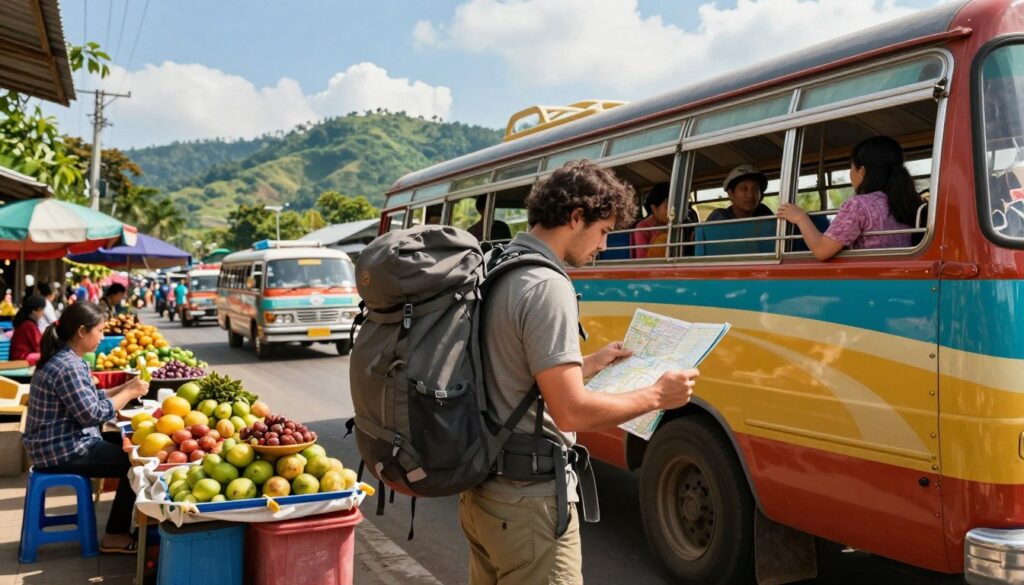
Taking local buses and trains is one of the most effective low-cost travel hacks for long-distance journeys. Sleeper buses are particularly valuable because they double as your accommodation for the night. You save the cost of a hostel bed while moving toward your next destination while you sleep.
Trains offer a more comfortable experience with the added benefit of scenic views. While they may take longer than a flight, the peace of mind and extra legroom make them a favorite for many travelers. Always check local schedules in advance to ensure you secure the best rates.
The Pros and Cons of Renting Motorbikes
Renting a motorbike provides incredible freedom to explore hidden gems that public transit cannot reach. However, it requires a high level of responsibility and preparation. You must carry a valid international driving permit at all times to avoid hefty fines from local authorities.
Before you rent, ensure your travel insurance specifically covers motorbike accidents. Many standard policies exclude this activity, leaving you vulnerable to massive medical bills. While you might have packed the best budget backpacking gear, your most important asset is always your personal safety.
Using Ride-hailing Apps Like Grab and Gojek
Navigating busy city streets can be intimidating, but apps like Grab and Gojek have revolutionized urban travel. These platforms provide transparent, fixed-price fares before you even book your ride. This eliminates the stress of haggling with taxi drivers or worrying about being overcharged.
Using these apps is significantly safer than hailing random cabs on the street. You can track your route in real-time and share your status with friends or family. It is a simple, modern solution that keeps your travel budget intact while ensuring you reach your destination without any unnecessary drama.
Finding Affordable Accommodation Without Sacrificing Comfort
Finding the perfect place to rest is the secret to keeping your energy high while exploring on a budget. Even if you are traveling with a minimalist packing list, your choice of lodging plays a massive role in your daily expenses. By choosing wisely, you can easily keep your nightly costs under $10 while still enjoying a clean and safe environment.

Hostel Culture and How to Find the Best Deals
The vibrant world of southeast asia hostels offers much more than just a cheap bed. These spaces are hubs for meeting fellow travelers who are eager to share local tips and hidden gems. You will often find that the social atmosphere helps you save money on tours by finding people to split costs with.
- Look for hostels with high ratings on social platforms to ensure cleanliness.
- Check if the price includes a free breakfast to save on your morning meal.
- Use common areas to connect with others and learn about upcoming local events.
The Benefits of Guesthouses and Homestays
Sometimes, you might crave a quieter environment after a long week of travel. Guesthouses and homestays provide a more intimate experience that feels like a home away from home. These options are often family-run, which supports the local economy directly while providing a more authentic cultural connection.
“The best travel experiences often happen when you step away from the big chains and stay in locally owned guesthouses where the hosts treat you like family.”
When to Book in Advance Versus Walking In
Deciding when to book is a strategic move that can save you significant cash. While booking online is convenient for your first night in a new city, walking into a guesthouse can often lead to better rates. You can frequently negotiate a 10-20% discount by simply asking for a lower price in person, especially during the off-season.
However, always book in advance if you are arriving during a major holiday or festival. Affordable accommodation fills up quickly during peak times, and having a confirmed reservation will save you from unnecessary stress. Balancing these two approaches ensures you stay within your $40 daily budget while maintaining a comfortable rhythm.
Eating Like a Local to Save Big
You can easily keep your daily food budget under $10 by eating like a local in Southeast Asia. This approach is not just a culinary adventure; it is the most effective way to save money traveling while experiencing authentic flavors. By skipping fancy sit-down establishments, you gain access to the heart of the local culture.
The Best Street Food Markets in Thailand and Vietnam
If you are looking for a reliable street food guide, start with the night markets in Chiang Mai, Thailand. Places like the North Gate Market offer incredible Khao Soi for just a few dollars. These spots are often located near popular southeast asia hostels, making them convenient for backpackers.
In Vietnam, the street food scene in Hanoi is legendary. Head to the Old Quarter to find vendors serving steaming bowls of Pho or Banh Mi sandwiches. These meals are consistently high-quality and represent some of the best low-cost travel hacks for any budget traveler.
Avoiding Tourist Traps and Overpriced Restaurants
One of the most important rules for your wallet is to avoid restaurants located directly next to major tourist attractions. These venues often charge a 200% markup compared to shops just two blocks away. Always look for places where locals are sitting on small plastic stools, as this is a sign of great food at fair prices.
If a menu is printed in three languages and features photos of every dish, it is likely a tourist trap. Instead, walk a few extra minutes into residential neighborhoods. You will find that the food is fresher and the prices are significantly lower.
Hydration Strategies to Reduce Plastic Waste and Costs
Staying hydrated is essential in the tropical heat, but buying bottled water adds up quickly. A traveler can easily spend over $100 on plastic bottles during a three-month trip. By using a refillable water bottle, you eliminate this unnecessary expense while helping the environment.
Many southeast asia hostels now provide free filtered water stations for their guests. Take advantage of these stations to fill your bottle before heading out for the day. This simple habit is one of the most effective ways to keep your daily spending low.
| Meal Type | Average Cost (USD) | Quality |
|---|---|---|
| Street Food Stall | $1.50 – $3.00 | Authentic & Fresh |
| Tourist Restaurant | $8.00 – $15.00 | Standardized & Bland |
| Refillable Water | $0.00 | Eco-Friendly |
Top Budget-Friendly Destinations in Southeast Asia
Mastering your backpacking Southeast Asia budget starts with picking the right spots to visit. While the entire region is generally inexpensive, some countries allow your money to stretch much further than others. By carefully selecting your stops, you can easily maintain a comfortable lifestyle while keeping your daily expenses low.
When building your southeast asia itinerary, consider prioritizing areas where your dollar goes the extra mile. Finding affordable accommodation is often the biggest factor in your daily spending. The following destinations are renowned for providing high-quality experiences at a fraction of the cost found elsewhere.
Northern Vietnam: The Ultimate Low-Cost Adventure
Northern Vietnam is a paradise for travelers looking to save money without sacrificing adventure. You can find high-quality hostels in cities like Hanoi or Ha Giang for less than $7 per night. This region offers stunning mountain landscapes and vibrant street food scenes that are incredibly easy on the wallet.
Laos: Slow Travel on a Minimal Budget
Laos is the perfect place to embrace the slow-travel philosophy. By staying longer in smaller towns like Luang Prabang or Vang Vieng, you significantly reduce your transportation costs. This relaxed pace not only saves money but also allows for a deeper connection with the local culture.
Cambodia: Balancing History and Affordability
Visiting major historical sites like Angkor Wat is a highlight of any trip, but it requires smart planning. You can stick to a strict daily spending limit by eating at local markets and choosing guesthouses outside the main tourist zones. Cambodia remains one of the most accessible countries for those who want to see world-class heritage sites on a shoestring.
| Destination | Avg. Daily Budget | Hostel Cost | Best Value Activity |
|---|---|---|---|
| Northern Vietnam | $25 – $30 | $5 – $7 | Motorbike Loops |
| Laos | $20 – $25 | $6 – $8 | River Tubing |
| Cambodia | $30 – $35 | $7 – $9 | Angkor Wat |
Smart Money Management and Banking Tips
Smart banking habits will help you stretch your daily budget further than you ever thought possible. While you focus on backpacker transportation and finding the best street food, your bank account needs equal attention. Implementing these money management tips ensures that your hard-earned cash stays in your pocket rather than going to bank fees.
Avoiding Excessive ATM Withdrawal Fees
Local banks often charge a flat fee for every international withdrawal, which can quickly add up. To save money traveling, you should aim to withdraw larger amounts of cash at once. This simple strategy reduces the number of transactions you make, effectively lowering the total percentage lost to fees.
Using Travel-Friendly Debit Cards
Using the right card is one of the most effective cheap travel tips for any backpacker. Many modern banks offer accounts that waive international withdrawal fees and provide competitive exchange rates. Always carry a backup card in a separate location just in case your primary card is lost or stolen.
Managing Currency Exchange Rates Effectively
When you pay at a terminal, you might be asked if you want to be charged in your home currency or the local currency. Always choose the local currency to avoid Dynamic Currency Conversion, which often comes with poor exchange rates. Monitoring the daily rates helps you understand exactly how much you are spending in your home currency.
| Strategy | Benefit | Cost Impact |
|---|---|---|
| Large Withdrawals | Fewer flat fees | High savings |
| Fee-Free Cards | No bank surcharges | Maximum savings |
| Local Currency Pay | Better exchange rates | Avoids hidden markups |
Staying Safe and Healthy While Traveling Cheap
Traveling on a shoestring budget should never mean cutting corners on your personal safety. While you look for cheap travel tips to stretch your funds, your physical well-being must remain your top priority. A successful adventure relies on staying alert and prepared for the unexpected.
The Necessity of Comprehensive Travel Insurance
One of the most important travel insurance essentials is having a policy that covers medical emergencies. Without proper coverage, a single hospital visit can cost thousands of dollars, quickly draining your savings. Always choose a plan that includes emergency medical evacuation and hospital stays.
Do not view insurance as an optional expense. It is a fundamental safety net that allows you to explore with peace of mind. Before you depart, read your policy carefully to understand exactly what is covered in your destination.
Common Scams to Watch Out For
Learning to identify safe travel practices will help you avoid common traps designed to target tourists. One frequent issue is the “broken meter” trick used by some taxi drivers. They may claim their meter is broken to charge you an inflated flat rate.
- Always insist on using the meter before starting your ride.
- If the driver refuses, politely exit the vehicle and find another one.
- Use reputable ride-hailing apps to ensure transparent pricing.
- Be wary of strangers offering unsolicited “deals” or tours.
Basic Health Precautions for Tropical Climates
Maintaining your health in a tropical environment requires consistent effort. Staying hydrated is critical, especially when you are walking long distances in the heat. Carry a reusable water bottle and refill it at safe stations to save money and reduce plastic waste.
Mosquito-borne illnesses are a real concern in many parts of Southeast Asia. Always apply high-quality insect repellent, especially during dawn and dusk. If you follow a local street food guide, ensure the stall is busy with locals, as this usually indicates high turnover and fresh ingredients.
“An ounce of prevention is worth a pound of cure, especially when you are miles away from home.”
Conclusion
Backpacking through Southeast Asia on a budget of $40 a day is an achievable goal that rewards you with incredible cultural experiences and personal growth. This budget travel guide provides the foundation you need to explore vibrant markets and hidden trails across the region.
Mastering your finances is the key to sustaining your journey for months at a time. By applying smart money management tips, you keep your bank account healthy while enjoying local street food and unique stays. These habits allow you to focus on the people you meet rather than the cost of your next meal.
Prioritizing your well-being remains vital during long-term travel. Always review your travel insurance essentials before you board your flight to ensure you have coverage for any unexpected events. Staying aware of your surroundings and following safe travel practices will protect your health and your belongings.
The most memorable moments often come from the simplest experiences, such as sharing a meal with locals or watching the sunset over a quiet beach. Use the strategies in this guide to plan your trip with confidence. Your journey across this beautiful region awaits, so pack your bags and start your adventure today.