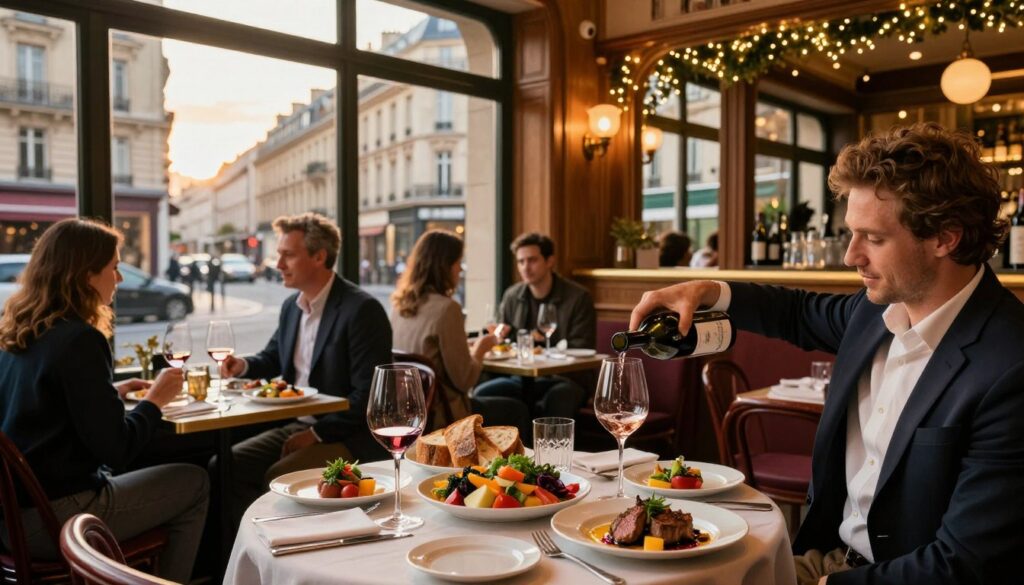

Stepping onto the cobblestone streets of the French capital, you are immediately greeted by the scent of fresh bread and roasting coffee. Many travelers arrive with dreams of finding the perfect meal, yet they often settle for crowded spots near major landmarks. True culinary magic hides away from the busy tourist paths.
Seeking out authentic dining in paris allows you to taste the real heart of the city. It is about finding those quiet bistros where locals gather to share stories over a glass of wine. By looking beyond the flashy menus, you open the door to a world of rich flavors and traditions.

We invite you to explore the hidden gems that define the local food culture. Whether you crave a classic onion soup or a delicate pastry, these spots offer a genuine connection to the French way of life. Let us guide you toward the most memorable meals of your journey.
Key Takeaways
- Avoid restaurants with menus displayed in five different languages.
- Look for small, bustling bistros tucked away in residential neighborhoods.
- Follow the local crowd to discover the freshest seasonal ingredients.
- Embrace the slow pace of a traditional French meal to fully enjoy the experience.
- Check local food blogs or ask residents for their personal favorite spots.
Understanding the Essence of Authentic Dining in Paris
True Parisian gastronomy is built on a foundation of respect for ingredients and time-honored techniques. To find authentic dining in paris, one must look past the flashy storefronts and crowded boulevards. It is about finding the places where the locals gather to celebrate the simple joy of a well-prepared meal.
What Defines a Truly Parisian Meal
A truly Parisian meal is rarely just about the food on the plate. It is an experience defined by the atmosphere, the pace of service, and the history embedded in the walls of the establishment. You will notice that authentic spots prioritize quality over convenience, often featuring handwritten menus that change based on the chef’s daily inspiration.
The best way to enjoy an authentic parisian food experience is to embrace the slow pace of the city. Do not rush your meal; instead, take the time to savor the flavors and the lively conversation around you. This cultural ritual is what transforms a simple lunch into a memorable event.
The Importance of Seasonality and Local Sourcing
French culinary tradition is deeply rooted in the rhythm of the seasons. Chefs who value an authentic parisian food experience understand that the best ingredients are those harvested at their peak. By sourcing produce from local markets and regional farmers, these kitchens ensure that every dish reflects the true character of the French countryside.
When you dine at establishments that prioritize local sourcing, you are supporting a sustainable food chain. This commitment to freshness is a hallmark of authentic dining in paris. You can taste the difference in every bite, from the crispness of seasonal vegetables to the rich, complex flavors of locally raised meats.
Navigating Neighborhoods for Real French Flavors
Finding the true heart of Paris requires stepping away from the famous monuments and into the quiet, bustling streets where locals actually live. While the city center is beautiful, it often hides the most genuine culinary experiences behind flashy signs and overpriced menus. By venturing into residential districts, you can uncover the top dining spots in Paris that remain untouched by mass tourism.

The Charm of the 11th Arrondissement
The 11th arrondissement has quickly become the epicenter of the city’s modern food scene. It is a place where young chefs experiment with bold flavors while respecting traditional French techniques. You will find that this area is packed with popular eateries in Paris that prioritize fresh, seasonal ingredients over tourist-friendly gimmicks.
- Vibrant atmosphere filled with local residents.
- High concentration of innovative, chef-driven bistros.
- A perfect blend of casual wine bars and refined dining.
Hidden Gems in the 20th Arrondissement
If you prefer a more relaxed and authentic vibe, the 20th arrondissement is a must-visit destination. This neighborhood offers a glimpse into the daily life of Parisians, far from the noise of the major attractions. Here, you can enjoy a quiet meal in a setting that feels like a well-kept secret.
The local establishments here focus on community and consistency. You are likely to find popular eateries in Paris that have served the same neighborhood families for generations. It is the ideal spot to slow down and savor the true essence of French cooking.
Why You Should Avoid the Main Tourist Boulevards
It is easy to fall into the trap of dining on the main boulevards, but these areas often cater to visitors rather than locals. These spots frequently feature laminated menus with photos, which is a clear sign to keep walking. Instead, look for places with a small, handwritten menu that changes daily based on market availability.
To identify the top dining spots in Paris, look for a crowd of locals during the lunch hour. If the restaurant is bustling with residents chatting over their meals, you have likely found a winner. Trust your instincts and follow the locals to ensure your dining experience is truly memorable.
Traditional Bistros That Stand the Test of Time
Stepping into a traditional Parisian bistro feels like taking a delicious journey back in time. These establishments serve as the heartbeat of the city, offering a glimpse into traditional french cuisine that has remained largely unchanged for generations. They provide a warm, unpretentious atmosphere where the focus is always on quality ingredients and hearty portions.

Le Bistrot Paul Bert and Classic Steak Frites
When searching for the best restaurants in paris, Le Bistrot Paul Bert is often at the top of the list. This iconic spot is famous for its commitment to classic preparations and a lively, authentic vibe. It is widely considered the gold standard for those seeking a perfect plate of steak frites.
“The secret to a great bistro meal is not innovation, but the perfect execution of the classics.”
Chez L’Ami Jean for Hearty Basque-Influenced Fare
For travelers who crave something a bit more rustic, Chez L’Ami Jean is a must-visit destination. This spot is among the most popular eateries in paris, known for its generous, Basque-influenced dishes that satisfy even the largest appetites. The atmosphere is often boisterous and crowded, which only adds to the genuine charm of the experience.
- Famous for their signature rice pudding.
- Features bold, savory flavors from the Basque region.
- Offers a cozy, high-energy dining environment.
The Timeless Appeal of Bouillon Chartier
Bouillon Chartier offers a unique look at the history of dining in the city. Originally created to provide affordable meals to workers, it remains one of the most popular eateries in paris today. The grand, high-ceilinged dining room transports guests to the Belle Époque era.
It is truly one of the best restaurants in paris for those who value history as much as their meal. While the menu focuses on traditional french cuisine, the real draw is the bustling, timeless energy that fills the room every single night.
Exploring the World of Parisian Boulangeries and Patisseries
Discovering the true culinary delights in Paris often begins at the humble storefront of a neighborhood bakery. These shops serve as the heartbeat of the local community, where the aroma of toasted flour and caramelized butter greets you every morning. Whether you are a casual visitor or a dedicated foodie, these establishments offer an authentic window into the daily rhythm of the city.
Identifying the Best Baguettes in the City
A high-quality baguette is a masterpiece of simplicity, requiring only flour, water, salt, and yeast. To spot the best, look for a deep golden-brown crust that crackles when you squeeze it. The interior, or crumb, should be airy with irregular holes, indicating a long fermentation process.
If you tap the bottom of the loaf, it should sound hollow. This simple test ensures you are getting a fresh, artisanal product rather than a mass-produced imitation. Always seek out shops displaying the “Artisan Boulanger” label to guarantee the bread was baked on-site.
The Art of the Morning Croissant Ritual
The morning croissant ritual is a sacred part of the local lifestyle that you must experience firsthand. Parisians often enjoy their pastry with a strong café au lait while standing at the counter or sitting at a sidewalk table. It is a moment of quiet reflection before the busy day begins.
A perfect croissant should be shatteringly crisp on the outside and soft, buttery, and honeycomb-like on the inside. Do not be afraid to get a few crumbs on your clothes; it is a sign of a truly authentic treat. This simple habit remains one of the most cherished culinary delights in Paris for residents and visitors alike.
Regional Specialties Beyond the Standard Pastry
While baguettes and croissants are iconic, the world of French baking extends much further. Many shops specialize in regional treats that highlight the diverse history of French provinces. Exploring these unique flavors allows you to appreciate the depth of baking traditions found throughout the country.
| Pastry Name | Region of Origin | Key Characteristic |
|---|---|---|
| Kouign-Amann | Brittany | Caramelized butter and sugar |
| Canelé | Bordeaux | Custard center with dark crust |
| Tarte Tropézienne | Saint-Tropez | Brioche filled with cream |
Sampling these regional items provides a broader perspective on the rich heritage of French sweets. Each bite tells a story of local ingredients and time-honored techniques. Incorporating these discoveries into your trip will surely elevate your overall experience of the many culinary delights in Paris.
The Rise of Modern Neo-Bistros
The traditional dining scene in France is evolving, giving rise to a fresh category of eateries known as neo-bistros. These establishments bridge the gap between high-end fine dining and the casual atmosphere of a neighborhood café. They represent the current heartbeat of parisian gastronomy, offering a relaxed environment where quality remains the top priority.

What Makes a Neo-Bistro Different from a Traditional One
Neo-bistros distinguish themselves through a commitment to flexibility and seasonal sourcing. Unlike classic bistros that often stick to a rigid, unchanging menu, these modern spots update their offerings frequently based on what is available at the market. This approach ensures that guests always enjoy the freshest ingredients possible.
The atmosphere in these venues is typically more informal and energetic. You will often find open kitchens where diners can watch the chefs at work, creating a sense of connection between the kitchen and the table. Here is a quick comparison of the two styles:
| Feature | Traditional Bistro | Neo-Bistro |
|---|---|---|
| Menu | Fixed, classic dishes | Seasonal, creative, changing |
| Atmosphere | Formal, nostalgic | Casual, modern, vibrant |
| Sourcing | Standard suppliers | Direct from small producers |
Top Spots for Creative Culinary Delights in Paris
Finding the best restaurants in paris often leads food lovers to these innovative hubs. Many of the most exciting culinary delights in paris are now found in these smaller, chef-driven spaces. If you are looking for a memorable meal, consider visiting these highly regarded locations:
- Septime: A pioneer in the movement, known for its vegetable-forward plates.
- Frenchie: Offers a sophisticated yet approachable menu that changes daily.
- Clamato: Perfect for those who enjoy fresh, creative seafood dishes.
How Young Chefs Are Redefining Parisian Gastronomy
A new generation of talent is currently reshaping the city’s food landscape. These young chefs often bring international influences to their cooking, blending global techniques with classic French foundations. By prioritizing sustainability and ethical sourcing, they are setting new standards for the top dining spots in paris.
This movement is not just about the food on the plate; it is about a philosophy of transparency. These chefs want you to know exactly where your meal comes from and why it matters. Their passion keeps the city’s food scene fresh, exciting, and constantly evolving for both locals and visitors alike.
Market Dining and Street Food Culture
Exploring the city’s markets is the best way to experience authentic culinary delights in Paris. While formal restaurants have their place, the true heart of French food culture beats within the stalls of local markets. These spaces offer a raw, unfiltered look at how Parisians source their daily ingredients.

Marché des Enfants Rouges: A Culinary Haven
Located in the trendy Marais district, the Marché des Enfants Rouges stands as the oldest covered market in the city. It has transformed from a historic site into a vibrant hub for food lovers. You can find everything from Moroccan tagines to fresh Japanese bento boxes here.
The atmosphere is electric and crowded, especially on weekends. It is the perfect spot to grab a quick lunch while sitting on a communal bench. You will feel like a true local as you navigate the narrow aisles filled with the scent of fresh herbs and roasting meats.
Sampling Local Cheeses and Charcuterie at Open-Air Markets
No visit to a French market is complete without stopping at a cheese or charcuterie stall. Vendors are usually passionate about their products and happy to offer samples. When selecting your items, look for seasonal varieties to ensure the highest quality.
For a perfect picnic, ask the vendor for a selection of aged Comté or a creamy Brie de Meaux. Pair these with a few slices of cured saucisson and a fresh baguette. This simple combination represents some of the finest culinary delights in Paris that you can enjoy in a nearby park.
Tips for Eating Like a Local on the Go
To eat like a local, you must embrace the rhythm of the market. Arrive early in the morning to get the freshest produce before the crowds arrive. Always carry a reusable tote bag to hold your treasures, as many vendors appreciate this eco-friendly habit.
- Bring cash, as some smaller stalls do not accept cards.
- Ask the vendor for their recommendation of the day.
- Look for stalls with long lines, as they usually indicate the best quality.
| Market Type | Best For | Vibe |
|---|---|---|
| Covered Markets | Prepared hot meals | Cozy and social |
| Open-Air Markets | Fresh produce and cheese | Bustling and traditional |
| Street Food Stands | Quick snacks on the move | Fast and casual |
Etiquette and Tips for the Authentic Parisian Dining Experience
Dining in Paris is a cultural ritual that requires a bit of insider knowledge to master. When you understand the local rhythm, you unlock a more rewarding authentic dining in Paris. These simple social cues help you navigate the city’s vibrant culinary scene with confidence and grace.
Mastering the Art of the Long Lunch
In France, lunch is not merely a quick break; it is a celebrated pause in the day. Locals often spend hours enjoying multiple courses while engaging in lively conversation. To embrace this authentic Parisian food experience, avoid rushing your meal or asking for the check immediately after your final bite.
If you want to dine like a true resident, keep these pacing tips in mind:
- Order a carafe of water instead of bottled water to save money and act like a local.
- Signal your server with a polite nod or a gentle wave when you are ready for the bill.
- Savor the atmosphere by putting your phone away and focusing on the flavors and company.
Understanding French Tipping Culture
Tipping in France is often misunderstood by visitors from the United States. Service is legally included in the price of your meal, so large percentage-based tips are not expected. However, leaving a small token of appreciation is a kind gesture for excellent service.
Consider these guidelines for your next visit:
- Round up the bill to the nearest euro for a casual coffee or drink.
- Leave a few extra coins or a small bill if you enjoyed a particularly high-quality dinner.
- Do not feel pressured to tip 20% as you might at home, as it is not part of the local custom.
How to Read a Menu Like a Local
Deciphering a French menu can feel intimidating, but it follows a logical structure. Most establishments offer a formule, which is a fixed-price menu that provides the best value for your money. Learning these terms will help you secure an authentic dining in Paris without any confusion.
Look for these common menu sections to guide your choices:
| Term | Meaning | Tip |
|---|---|---|
| Entrée | Appetizer | Don’t confuse this with the main course. |
| Plat | Main Dish | This is the heart of your meal. |
| Formule | Set Menu | Look for this to save on costs. |
By respecting these traditions, you ensure a smooth and memorable authentic Parisian food experience. Enjoy the slow pace, appreciate the service, and savor every bite of your French adventure.
Seasonal Specialties and Regional Influences
From the frost-kissed markets of winter to the vibrant produce of spring, Paris offers a culinary journey through time and geography. The rhythm of parisian gastronomy is deeply tied to the land, ensuring that every meal reflects the current harvest. By understanding these shifts, you can better appreciate the nuances of traditional french cuisine found throughout the city.
Winter Comfort Foods in the City of Light
When temperatures drop, the city turns toward hearty, soul-warming dishes. You will find menus dominated by slow-cooked stews like boeuf bourguignon and rich, creamy gratins. These meals are designed to provide warmth and comfort during the gray, chilly months.
“The secret to French cooking is not just the technique, but the profound respect for what the earth provides at any given moment.”
Springtime Delicacies and Fresh Produce
As the city thaws, the culinary focus shifts toward lightness and color. Spring brings a bounty of tender asparagus, sweet peas, and fresh herbs that brighten up every plate. Chefs embrace this transition by moving away from heavy sauces in favor of vibrant, seasonal preparations.
The Influence of Brittany and Normandy on Parisian Menus
Paris acts as a melting pot for the diverse flavors of France’s northern provinces. The influence of Brittany and Normandy is particularly evident in the city’s love for salted butter, artisanal ciders, and fresh seafood. You will often encounter buckwheat galettes or creamy camembert-based sauces that pay homage to these coastal regions.
| Season | Key Ingredient | Typical Dish |
|---|---|---|
| Winter | Root Vegetables | Pot-au-Feu |
| Spring | Asparagus | Asparagus Vinaigrette |
| Summer | Tomatoes | Ratatouille |
| Autumn | Mushrooms | Wild Mushroom Fricassee |
These regional connections ensure that traditional french cuisine remains dynamic and rooted in history. Whether you are enjoying a cider-infused sauce or a spring vegetable salad, you are tasting the very best of parisian gastronomy.
Conclusion
Paris offers a culinary landscape that rewards those who wander off the beaten path. You hold the keys to unlocking hidden bistros and vibrant markets that define the city’s soul.
Embrace the slow rhythm of a long lunch at Le Bistrot Paul Bert. Allow your curiosity to guide you toward the fresh scents of a local boulangerie. These small moments create the most lasting memories of your journey.
Stay open to new flavors and unexpected encounters during your stay. Every neighborhood holds a unique story told through its ingredients and traditions. You possess the tools to move past the surface of tourist traps.
Seek out the authentic heart of French gastronomy in every bite. Your next great meal waits just around the corner. Enjoy the rich, enduring flavors that make Paris a world-class destination for every traveler.